
NVP / Fintech platform
Payouts and paperwork for companies hiring freelancers
15 daysfrom brief to a partner-ready dashboard
Product design · SaaS · Fintech
We design SaaS products, mobile apps and web platforms from the product logic up: who uses it, what they need to get done and what the business needs from them. Then come the flows, the prototype, the interface and the design system, made together with the developers from the first wireframe, so what we design is what ships.
An expert review of your product's key flows: where people get stuck, why, and what to fix first. You get a ranked list of problems, each tied to a screen, with evidence, a severity score and a fix.
User flows, roles and the structure of the product, agreed with you and the developers before the screens. For NVP, a fintech platform that pays freelancers, we mapped 18 prototype screens before a pixel moved.
A Figma prototype you click through and show to users, partners or investors before development starts. NVP went from brief to a dashboard ready to show partners in 15 days.
Screens for loading, empty, error and long data, light and dark, desktop and phone, so developers don't guess what a screen looks like when something goes wrong.
Components, tokens and rules in Figma that match the components in your code. At Leeloo.ai, a design system built by our Head of Design & Strategy cut landing page production time by 60%.
A logo, colors and type that work in the product, on the site and in the pitch deck. RYTM, a wellness brand, got its identity, website, store and sales decks from us.
A call about the business, the users and the numbers you want to move. We go through your analytics, support requests and the product itself before proposing anything.
User flows, roles and the information architecture, agreed with you and the developers. This is where most of the decisions are made, and changes are cheapest.
A clickable prototype in Figma. You click through it, show it to users or partners, and we fix what trips them up before development starts.
Final screens for every state and screen size, built from a design system that matches your code: web components, iOS or both.
Developers get the Figma file, the components and the specs. The designer reviews the build and stays on the project through launch, whether the developers are yours, ours or both.
UX is how the product works: the flows, the structure, what happens at each step. UI is how it looks and reads: layout, type, color, components. Product design covers both and starts earlier, from the business goal and the users, so each screen serves a number you care about. We do all three, with one person leading from research to launch.
The price follows the number of flows and screens, the platforms and states, and whether you need research, a design system or a brand. A partner goes through them on a call and gives an estimate and a timeline for that exact scope.
How much UI/UX design costs in 2026: rates and timelinesIt follows the scope. NVP, a fintech platform, went from brief to a dashboard prototype ready to show partners in 15 days, and its first redesign ran on the product's own code one day after the brief. A full product with a design system takes longer; you get a timeline after the first call.
An expert review of a live product against usability principles, with a report of problems ranked by severity, each tied to a screen and a fix. It pays off when sign-ups, activation or conversion stall, before a redesign, or before you raise money. AI tools help, but not alone: in Baymard Institute's test, GPT-4 found 14% of the issues its experts found.
UX audit for SaaS: the report, the cost and what AI missesYes. For NVP, which pays freelancers, we rebuilt 7 dashboard blocks around money and risk and brought 3 contractor types into one payout flow. In dashboards, the key decision is often what sits next to what: at NVP, risk sits next to money.
Fintech dashboard design: from prototype to partner-readyYes. We start from what works and what the numbers say, not from a blank page, and change the flows that cost you users or support time first. A redesign can roll out screen by screen, so the product keeps running while it changes.
Yes, when the product will grow or several teams build it: components, tokens and rules in Figma that match the components in the code, so new screens come together from parts that already work. At Leeloo.ai, a design system by our Head of Design & Strategy cut landing page production time by 60%.
What Is a Design System, and Do You Need One?Artsiom Yankovich, our co-founder and Head of Design & Strategy, leads design personally: 9+ years in digital product and brand design and 150+ projects across e-commerce, SaaS, online education, travel and nonprofit. Specialists join as the scope needs them, and our partners lead iOS, web and backend development if you need the product built too.
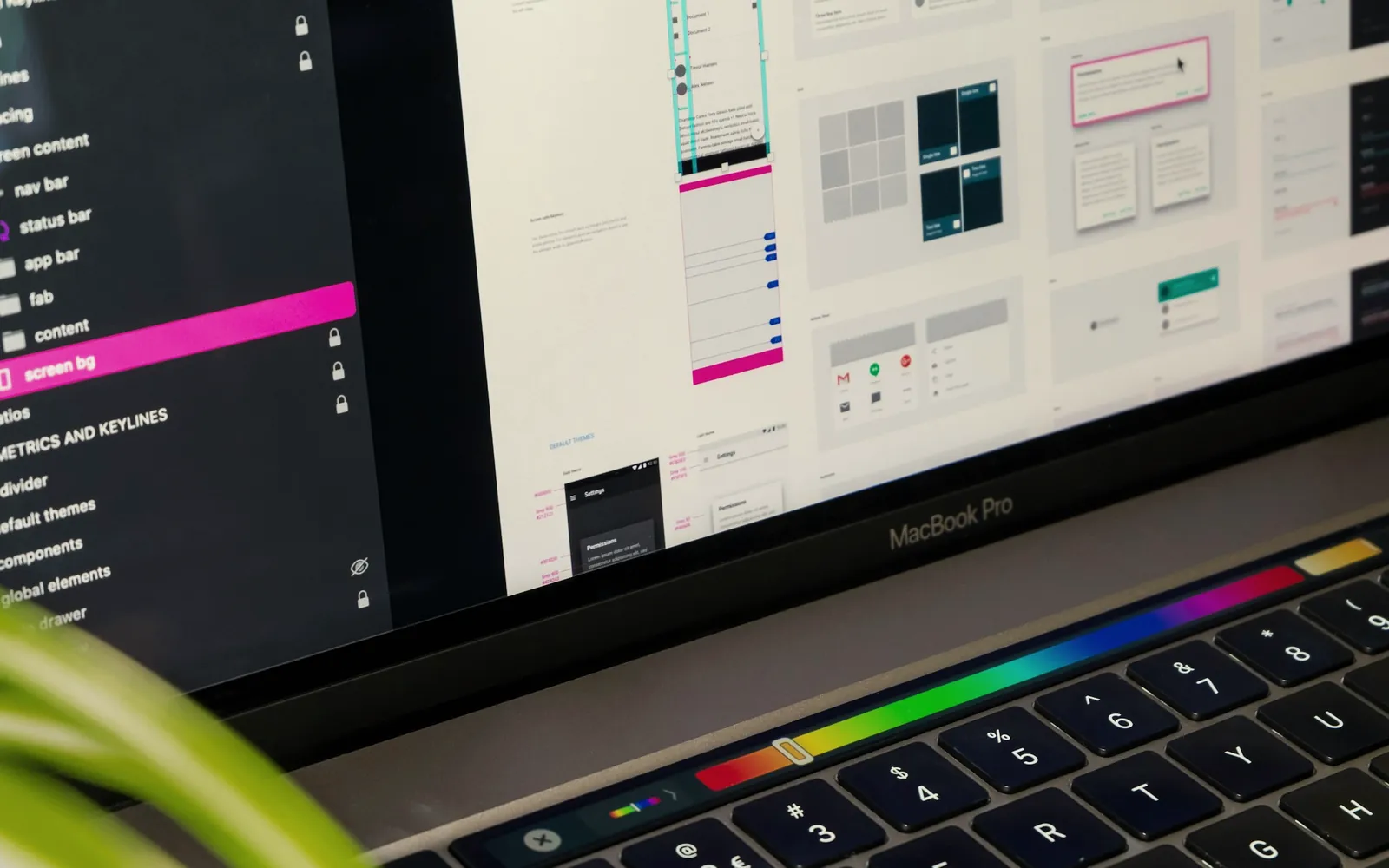
Product Design
A design system is tokens, components, patterns, documentation and an owner. Here is how to tell whether your product needs one now, and whether to adopt, extend or build it.

Artsiom Yankovich
· 16 min read
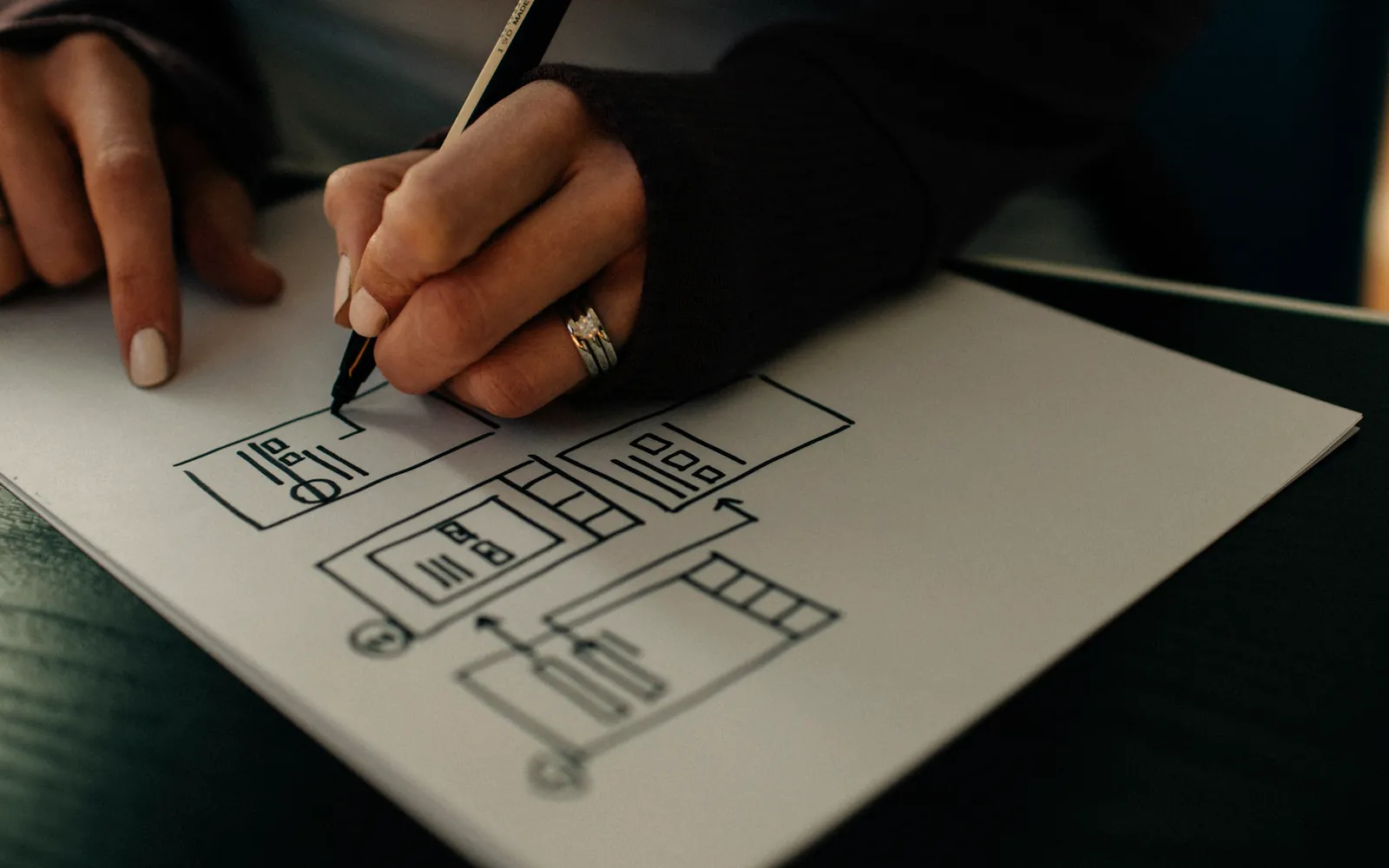
Product Design
Market rates from Clutch, Upwork and the BLS, the four pricing models, what drives the cost and how long design takes, plus the red flags to catch in a quote.
Artsiom Yankovich
· 16 min read
Product Design
What a UX audit should hand you, how the work runs, what it costs on the market, and where AI tools still fall short of an expert reviewer.
Artsiom Yankovich
· 14 min read
Let's talk
Tell us what you're building. You'll get a straight answer on timeline, team and approach on the first call.

